
Self-storage has become an essential solution for many people needing extra space for their belongings. Whether you’re moving house, downsizing, or just looking for a place to store seasonal items, self-storage offers a convenient and flexible option. At Cheshire Clearance & Removals Ltd, we understand the importance of keeping your possessions safe and accessible. This guide will walk you through everything you need to know about self-storage, from choosing the right unit to organising your items effectively. Let’s explore the world of self-storage and how it can make your life easier.
What is Self-Storage?
Self-storage is a service that allows individuals and businesses to rent storage units to store their belongings. These units come in various sizes and can be rented for short or long periods. Self-storage provides a secure and accessible place to keep your items, whether you’re dealing with a lack of space at home or need to store business inventory. Understanding the basics of self-storage is the first step in deciding if it’s the right option for you.
Benefits of Using Self-Storage
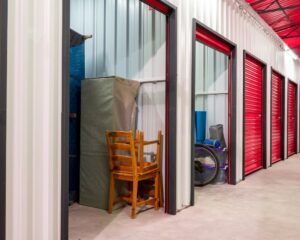
Self-storage offers numerous benefits, making it an attractive solution for many people. One of the main advantages is the flexibility it provides. You can choose the size of the unit based on your needs and rent it for as long as required. Additionally, self-storage units are secure, with many facilities offering 24-hour surveillance and controlled access. This peace of mind ensures that your belongings are safe at all times. The convenience of being able to access your items whenever needed adds to the appeal of self-storage.
How to Choose the Right Storage Unit Size
Selecting the correct size for your storage unit is crucial to avoid wasting space or money. Start by making a list of the items you plan to store. This list will help you visualise the space you’ll need. Most storage facilities offer various unit sizes, from small lockers to large rooms. Consider the size of your furniture, boxes, and other belongings. If you’re unsure, it’s always better to choose a slightly larger unit than you think you might need. This extra space can be useful for future additions.
Climate-Controlled Units: Are They Worth It?
Climate-controlled units are designed to maintain a consistent temperature and humidity level, protecting your belongings from extreme weather conditions. These units are particularly useful for storing sensitive items like electronics, antiques, and important documents. Although climate-controlled units tend to be more expensive, they are worth the investment if you need to store valuable or delicate items. This added layer of protection ensures that your possessions remain in good condition, no matter how long they’re stored.
How to Pack for Self-Storage
Proper packing is essential to keep your items safe and organised in storage. Start by using sturdy boxes that can withstand stacking. Label each box with its contents and the room it belongs to. This will make unpacking easier when you retrieve your items. Wrap fragile items in bubble wrap or packing paper and fill any empty spaces in the box with packing peanuts or towels. It’s also a good idea to create an inventory list of all the items you’re storing. This list will help you keep track of your belongings and ensure nothing is forgotten.
Organising Your Storage Unit for Easy Access
An organised storage unit makes it easier to find and access your items when needed. Start by placing larger items like furniture against the walls of the unit. Stack boxes in a way that leaves a clear path through the centre. This path allows you to reach items at the back without having to move everything. Keep frequently used items near the front for easy access. Using shelving units can also help maximise vertical space and keep smaller items organised. Taking the time to organise your unit will save you time and effort in the long run.
Importance of Security in Self-Storage
Security is a top priority when choosing a self-storage facility. Look for facilities that offer robust security features, such as 24-hour surveillance cameras, gated access, and individual unit alarms. Some facilities also have on-site managers who monitor the property. These security measures help deter theft and ensure that your belongings are safe. When renting a unit, make sure you choose a strong, high-quality lock. This extra layer of security can provide additional peace of mind, knowing your items are well-protected.
Tips for Storing Seasonal Items
Self-storage is an excellent solution for keeping seasonal items like holiday decorations, summer sports equipment, and winter clothing. To store these items effectively, start by packing them in labelled boxes according to the season. This method will make it easy to find what you need when the time comes. Consider using clear plastic bins for items you frequently use, as they allow you to see the contents without having to open each box. Make sure to store these bins at the front of your unit for quick access.
Storing Furniture in Self-Storage
Furniture can take up a lot of space in a storage unit, so it’s important to store it correctly. Disassemble larger pieces like beds and tables to save space. Keep all screws and small parts in labelled bags taped to the furniture. Wrap furniture in moving blankets or plastic wrap to protect it from dust and scratches. If possible, store furniture vertically to maximise space. This vertical storage method helps you fit more items in your unit while keeping everything protected.
How to Store Electronics Safely
Electronics are valuable and sensitive to temperature and humidity changes, making proper storage crucial. Start by packing electronics in their original boxes if available. If not, use sturdy boxes with plenty of padding to protect them from damage. Remove batteries to prevent corrosion and wrap cords separately to avoid tangling. It’s also important to store electronics off the ground to protect them from potential water damage. Consider renting a climate-controlled unit if you’re storing electronics for an extended period.
Using Self-Storage for Business Needs
Self-storage isn’t just for personal use; many businesses find it an ideal solution for storing inventory, documents, and equipment. Small businesses, in particular, can benefit from the extra space without committing to a larger office or warehouse. Self-storage offers flexibility and security for businesses looking to expand or streamline their operations. Additionally, it provides a cost-effective way to manage overflow stock or seasonal inventory. Choosing a facility with convenient access hours is essential to ensure you can retrieve items whenever needed.

Cost Considerations for Self-Storage
Understanding the costs associated with self-storage can help you make an informed decision. Prices vary depending on the size of the unit, location, and any additional features like climate control. Some facilities offer discounts for long-term rentals or prepayment, so it’s worth asking about any available deals. Keep in mind that insurance may be required or recommended, which can add to the overall cost. Comparing prices and options from different facilities will help you find the best deal for your needs.
How to Insure Your Stored Belongings
Insurance is an important aspect of using self-storage, as it protects your belongings in case of theft, fire, or other unforeseen events. Some storage facilities offer insurance as part of their rental agreement, while others may require you to purchase it separately. Check with your current home insurance provider to see if your policy covers items in storage. If not, consider purchasing a storage-specific policy. Ensuring your belongings are insured provides peace of mind and financial protection.
Preparing Items for Long-Term Storage
Long-term storage requires careful preparation to ensure your items remain in good condition. Start by cleaning all items thoroughly to prevent mould and mildew growth. Use moisture absorbers and desiccants in your unit to control humidity levels. It’s also a good idea to cover furniture and other large items with dust sheets. Avoid packing items too tightly, as this can restrict air circulation and lead to damage. Regularly checking on your stored items can help you spot any potential issues early.
Moving into a Storage Unit
Moving your belongings into a storage unit can be a smooth process with a bit of planning. Start by gathering all the necessary packing materials, such as boxes, tape, and bubble wrap. Pack your items in a way that makes them easy to carry and load into the unit. Consider renting a moving van or truck if you have large items to transport. When loading the unit, place heavier items on the bottom and lighter items on top to prevent crushing. Planning ahead can make the move into storage less stressful.
Downsizing with the Help of Self-Storage
Downsizing can be a daunting task, especially if you’re moving to a smaller home. Self-storage provides a convenient way to keep items you can’t part with but don’t have room for. Start by sorting through your belongings and deciding what to keep, donate, or store. Items with sentimental value or that you may need in the future can be placed in storage. This method allows you to keep your new space clutter-free while holding onto important possessions.
Temporary Storage Solutions for Students
Students often need temporary storage solutions, especially during summer breaks or study abroad programmes. Self-storage offers a secure place to keep belongings while you’re away. Choose a unit size based on the amount of furniture, books, and personal items you need to store. Some facilities offer student discounts or short-term rental agreements, making it an affordable option. Packing your items properly and labelling boxes will make it easier to retrieve everything when you return.
Storing Vehicles in Self-Storage
Self-storage isn’t just for household items; it’s also a great option for storing vehicles like cars, motorcycles, and boats. When storing a vehicle, it’s important to prepare it properly. Start by cleaning the interior and exterior to remove dirt and grime. Fill the tank with fuel and add a fuel stabiliser to prevent corrosion. Disconnect the battery and cover the vehicle with a breathable cover to protect it from dust. Regularly checking on your stored vehicle can help prevent any issues from developing over time.
What Not to Store in a Self-Storage Unit
While self-storage is versatile, there are certain items that should never be stored in a unit. Hazardous materials like flammable liquids, explosives, and chemicals are typically prohibited for safety reasons. Perishable food items should also be avoided, as they can attract pests and create unpleasant odours. Additionally, it’s important not to store any illegal items or stolen goods. Always check with your storage facility for a complete list of prohibited items to ensure you’re in compliance with their rules.
Using Self-Storage During a Move
Moving house can be stressful, and self-storage can help ease the process by providing a temporary place to keep your belongings. If there’s a gap between moving out of your old home and into your new one, storing your items can give you peace of mind. It allows you to focus on the move without worrying about where to keep your things. Choose a unit size based on the number of items you’re moving and consider the duration of storage. This temporary solution can make your move more manageable.
Tips for Maximising Space in Your Storage Unit
Maximising space in your storage unit can help you fit more items and keep everything organised. Start by using uniform-sized boxes, as they stack more easily and save space. Disassemble furniture and store items inside other items, such as placing smaller boxes inside larger ones. Vertical storage is also key, so use shelving units and stack boxes to make the most of the height. Keeping an aisle down the middle of the unit will ensure easy access to all your belongings.
How to Choose a Self-Storage Facility
Choosing the right self-storage facility is crucial to ensuring a positive experience. Start by considering the location, as you’ll want a facility that’s convenient for you to access. Look for facilities that offer security features like gated access, surveillance cameras, and individual unit alarms. Customer reviews can provide insight into the quality of the facility and customer service. It’s also important to visit the facility in person to ensure it meets your needs. Taking the time to choose the right facility will give you peace of mind.

Long-Term vs. Short-Term Storage
When deciding between long-term and short-term storage, consider your specific needs. Short-term storage is ideal for temporary situations like moving, home renovations or travelling. Long-term storage, on the other hand, is better suited for storing items you don’t need regular access to, such as seasonal decorations or family heirlooms. The type of storage you choose will impact the cost and how you organise your unit. Understanding your needs will help you make the right choice.
Conclusion: Your complete guide to self storage
Self-storage offers a flexible and secure solution for storing your belongings, whether you need extra space temporarily or for the long term. By following this guide, you can choose the right storage unit, pack your items effectively, and ensure they remain safe and accessible. At Cheshire Clearance & Removals Ltd, we are committed to helping you make the most of your self-storage experience. With the right approach, self-storage can provide the extra space you need while keeping your possessions protected and organised.

