
Moving can be a stressful time, but with the right packing services, it doesn’t have to be. At Cheshire Clearance & Removals Ltd, we understand that packing up your home or office is a daunting task. Our professional packing services are designed to take the stress out of moving, ensuring your belongings are safely and securely packed for transport. Whether you’re moving locally or across the country, our expert team is here to help. In this guide, we’ll explore everything you need to know about packing services, from choosing the right materials to ensuring your items arrive safely at your new location.
Packing Services: Ensuring a Smooth Move with Cheshire Clearance & Removals Ltd
Understanding the Importance of Professional Packing Services
When it comes to moving, professional packing services can make all the difference. Experienced packers know how to handle your belongings with care, ensuring that each item is properly wrapped and secured for transport. This level of expertise helps to prevent damage during the move, giving you peace of mind. In addition, professional packing services save you time and effort. Instead of spending days or even weeks packing, you can focus on other aspects of your move while the experts take care of your belongings. By choosing professional packing services, you can ensure that your move goes smoothly from start to finish.
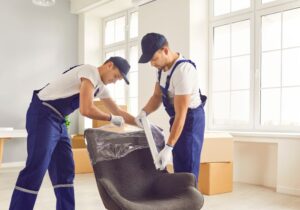
Choosing the Right Packing Materials
Selecting the right packing materials is crucial for protecting your belongings during a move. Quality materials, such as sturdy boxes, bubble wrap, and packing paper, provide the necessary protection to prevent damage. Different items require different materials, so it’s important to choose wisely. For example, fragile items like glassware and electronics need extra cushioning, while heavier items like books require sturdy boxes that won’t collapse under the weight. It’s also important to consider the size of your items when choosing packing materials. Oversized boxes may seem convenient, but they can be difficult to carry and may lead to damaged items if not packed properly. With the right packing materials, you can ensure that your belongings arrive safely at your new home.
How to Pack Fragile Items Safely
Fragile items require special attention when packing to ensure they arrive in one piece. Start by wrapping each item individually with bubble wrap or packing paper. This provides a cushion that absorbs shocks and prevents breakage. Once wrapped, place the items in a sturdy box lined with more cushioning material, such as packing peanuts or crumpled paper. Be sure to fill any gaps in the box to prevent items from shifting during transit. It’s also a good idea to label the box as “FRAGILE” to ensure it’s handled with care. When packing fragile items, taking the time to do it right can prevent heartache and save you from the hassle of dealing with broken belongings.
Packing Heavy Items with Care
Packing heavy items, such as books and large appliances, requires a different approach to ensure they’re safe during the move. Start by choosing small, sturdy boxes that can support the weight without breaking. Avoid overpacking the boxes, as this can make them difficult to carry and increase the risk of injury. When packing books, place them flat in the box to prevent damage to their spines. For appliances, it’s important to follow the manufacturer’s instructions for packing and moving to avoid damage. Be sure to secure any moving parts and, if possible, pack them in their original boxes. Packing heavy items correctly will help ensure they arrive safely and make your move easier.
The Benefits of Labelling Your Boxes
Labelling your boxes is a simple yet effective way to stay organised during a move. Clearly marked boxes make it easy to find what you need when you start unpacking, saving you time and frustration. When labelling, include the room the box belongs to and a brief description of its contents. This will help you and your movers know where each box should go, making the unpacking process much smoother. Additionally, labelling boxes with fragile items ensure they are handled with care. By taking the time to label your boxes, you can make your move more organised and efficient.
Packing Kitchen Items Efficiently
The kitchen is often one of the most challenging rooms to pack due to the variety of items it contains. From fragile glassware to bulky appliances, packing kitchen items requires careful planning. Start by packing items you use less frequently, such as special occasion dishes and small appliances. Wrap each item individually to prevent damage and pack them in sturdy boxes with plenty of cushioning. For larger appliances, follow the manufacturer’s instructions to ensure they’re packed correctly. Don’t forget to label the boxes clearly so you know where everything is when you arrive at your new home. With the right approach, packing your kitchen can be a breeze.
Protecting Your Furniture During a Move
Furniture is often one of the most valuable and bulky items to move, so it’s important to take steps to protect it. Start by disassembling any furniture that can be taken apart, such as bed frames and tables. This makes it easier to transport and reduces the risk of damage. Wrap each piece in moving blankets or furniture pads to protect against scratches and dents. Be sure to secure any moving parts, such as drawers or doors, with tape or bungee cords. If you’re moving large items like sofas or dressers, consider using a furniture dolly to make the process easier. Protecting your furniture during a move ensures it arrives in the same condition it was left in.
Safeguarding Your Electronics
Electronics are often among the most valuable items in a home, so it’s important to pack them with care. Start by backing up any important data on your computers and other devices. Then, gather the original boxes and packaging materials if you still have them. These provide the best protection during a move. If the original boxes aren’t available, use sturdy boxes that are slightly larger than the electronics and fill any gaps with packing material. Label each box as “FRAGILE” and mark which side should be kept upright. Safeguarding your electronics during a move ensures they arrive safely and are ready to use in your new home.
Packing Clothes for a Hassle-Free Move
Packing clothes for a move doesn’t have to be a hassle. Start by sorting through your wardrobe and setting aside any items you no longer wear. This is a great opportunity to declutter and donate clothing to charity. For the items you’re keeping, consider using wardrobe boxes, which allow you to hang clothes directly in the box, saving time on packing and unpacking. Folded clothes can be packed in suitcases or boxes lined with tissue paper to prevent wrinkles. Be sure to label each box or suitcase with its contents and the room it belongs to, making it easy to find what you need when you arrive at your new home. Packing clothes efficiently helps ensure a smooth and stress-free move.

Managing Time with a Packing Schedule
Creating a packing schedule can help you manage your time effectively and reduce the stress of moving. Start by setting a moving date and working backwards to plan your packing timeline. Break down the task into smaller, manageable chunks, focusing on one room or area at a time. Aim to start packing non-essential items, such as seasonal clothing and decorations, a few weeks before the move. As the moving date approaches, gradually pack up the rest of your belongings, leaving only the essentials for the final days. Sticking to a packing schedule helps ensure you stay on track and avoid last-minute chaos.
Packing Valuables and Sentimental Items
Valuables and sentimental items require extra care when packing to ensure they arrive safely at your new home. Start by gathering all your valuable items, such as jewellery, important documents, and family heirlooms. It’s a good idea to pack these items separately from the rest of your belongings and keep them with you during the move. Use a small, secure box or safe to protect them, and consider taking out additional insurance if necessary. For sentimental items, such as photo albums and keepsakes, wrap each piece carefully and pack them in sturdy boxes with plenty of cushioning. By taking extra precautions, you can protect your most treasured belongings during the move.
The Advantages of Hiring Professional Packers
Hiring professional packers can save you time, stress, and effort during a move. Professionals have the experience and expertise to pack your belongings quickly and efficiently, ensuring everything is properly secured for transport. This reduces the risk of damage and gives you peace of mind. In addition, professional packers bring all the necessary materials, so you don’t have to worry about sourcing boxes, tape, or bubble wrap. Whether you’re short on time or simply want to make your move easier, hiring professional packers is a great option.
Eco-Friendly Packing Solutions
Eco-friendly packing solutions are a great way to reduce your environmental impact during a move. Start by reusing boxes and packing materials whenever possible. You can often find free boxes from local shops or online marketplaces. For packing, consider using biodegradable packing peanuts, recycled paper, or old newspapers instead of traditional bubble wrap. Another eco-friendly option is renting reusable plastic moving boxes, which are sturdy, stackable, and reduce waste. By choosing eco-friendly packing solutions, you can make your move more sustainable and reduce your carbon footprint.
Packing Tips for a Stress-Free Move
Moving doesn’t have to be stressful if you follow a few simple packing tips. Start by decluttering your home and getting rid of any items you no longer need. This will make packing easier and reduce the number of boxes you have to move. Next, gather all your packing supplies before you start, so you don’t have to stop midway through to buy more tape or boxes. As you pack, keep similar items together and label each box clearly with its contents and the room it belongs to. Finally, pack a box of essentials that you’ll need right away at your new home, such as toiletries, a change of clothes, and important documents. Following these packing tips can help make your move smoother and less stressful.
How to Pack for a Long-Distance Move
Packing for a long-distance move requires extra planning and preparation to ensure your belongings arrive safely. Start by sorting through your items and deciding what to take with you. Consider donating or selling items you no longer need, as this will reduce the amount you have to move. For the items you’re keeping, pack them securely in sturdy boxes with plenty of cushioning. It’s also important to label each box with its contents and the room it belongs to, as well as your name and contact information in case the box gets lost during transit. Packing for a long-distance move can be challenging, but with the right approach, you can ensure everything arrives safely at your new home.
Preparing Your Home for Packing
Preparing your home for packing is an important step in the moving process. Start by decluttering each room and getting rid of any items you no longer need. This will make packing easier and reduce the amount of stuff you have to move. Next, gather all your packing supplies and set up a packing station in a central location. This will help you stay organised and make the packing process more efficient. It’s also a good idea to take measurements of your furniture and doorways to ensure everything will fit through the doors and into the moving truck. Preparing your home for packing ensures a smoother, more organised move.
Packing Your Home Office
Packing a home office requires special attention to ensure your important documents and equipment arrive safely. Start by backing up any important data on your computer and other devices. Next, gather all your documents and organise them into folders or boxes. Be sure to label each box with its contents and the room it belongs to. For electronics, use their original boxes if possible, or pack them securely in sturdy boxes with plenty of cushioning. Don’t forget to label the boxes as “FRAGILE” to ensure they’re handled with care. Packing your home office carefully ensures that you can quickly get back to work in your new home.
Packing Tips for Moving with Children
Moving with children can be challenging, but with the right approach, you can make the process easier. Start by involving your children in the packing process. Give them their own boxes to pack their toys and belongings, and let them decorate the boxes with stickers or drawings. This will help them feel more involved and less anxious about the move. Be sure to pack a special box of their favourite toys and comfort items to keep them occupied during the move. It’s also a good idea to pack a “first-night” box with essentials like pyjamas, toiletries, and snacks to make the first night in your new home more comfortable. Packing with children can be a fun and rewarding experience with a little planning and creativity.
Packing Tips for Moving with Pets
Moving with pets requires extra care and planning to ensure they’re comfortable and safe during the move. Start by packing a bag of essentials for your pet, including food, water, bowls, a leash, and any medications they may need. It’s also a good idea to pack a favourite toy or blanket to help them feel more at ease. On a moving day, keep your pet in a quiet room or crate to reduce stress and prevent them from getting underfoot. If you’re moving a long distance, be sure to plan for rest stops and have a travel crate or carrier ready. Packing for your pets ensures they have a smooth transition to your new home.
Packing Tips for Moving in a Hurry: Packing services
When you’re moving in a hurry, packing efficiently is key to staying organised and reducing stress. Start by gathering all your packing supplies and setting up a packing station in a central location. Next, focus on packing one room at a time, starting with the least-used rooms like guest bedrooms or storage areas. As you pack, keep similar items together and label each box with its contents and the room it belongs to. If you’re really short on time, consider hiring professional packers to help you get the job done quickly. Packing in a hurry can be stressful, but with the right approach, you can stay organised and get everything done in time.
How to Pack for a Temporary Move
Packing for a temporary move requires a different approach to ensure you have everything you need without overpacking. Start by making a list of the essentials you’ll need for your temporary stay, such as clothes, toiletries, and important documents. Pack these items in suitcases or small boxes that are easy to transport. For the rest of your belongings, consider putting them in storage until you’re ready to move back. Be sure to label each box with its contents and the room it belongs to, so you can easily find what you need when you return. Packing for a temporary move can be challenging, but with the right approach, you can ensure you have everything you need without taking too much.
Packing Tips for International Moves
For an international move requires careful planning and preparation to ensure your belongings arrive safely. Start by researching the customs regulations in your destination country to avoid any issues with your shipment. Next, pack your belongings securely in sturdy boxes with plenty of cushioning. Be sure to label each box with its contents and your contact information in case the box gets lost during transit. It’s also a good idea to take out additional insurance to cover your belongings during the move. Packing for an international move can be challenging, but with the right approach, you can ensure everything arrives safely at your new home.
Packing Tips for Moving During Winter
Moving during winter can be challenging, but with the right approach, you can ensure your belongings arrive safely. Start by checking the weather forecast and planning your move around any storms or severe weather. Be sure to have plenty of packing supplies on hand, including sturdy boxes and packing tape, as cold temperatures can make boxes more brittle. When packing, be sure to protect fragile items with extra cushioning, as cold temperatures can make them more prone to breaking. It’s also a good idea to have a backup plan in case the weather causes delays. Moving during winter can be challenging, but with the right approach, you can ensure a smooth move.
Packing Tips for Moving During Summer
Moving during summer requires special attention to ensure your belongings arrive safely in the heat. Start by packing your belongings in the early morning or late evening to avoid the hottest part of the day. Be sure to have plenty of water on hand to stay hydrated, and take frequent breaks to avoid overheating. When packing, be sure to protect items that are sensitive to heat, such as electronics and candles, by packing them in a cool, shaded area. It’s also a good idea to have a backup plan in case the heat causes delays. Moving during summer can be challenging, but with the right approach, you can ensure a smooth move.

Packing Tips for Moving During Spring
Moving during spring requires special attention to ensure your belongings arrive safely. Start by checking the weather forecast and planning your move around any rain or storms. Be sure to have plenty of packing supplies on hand, including sturdy boxes and packing tape, as spring showers can make boxes more prone to breaking. When packing, be sure to protect fragile items with extra cushioning, as spring weather can be unpredictable. It’s also a good idea to have a backup plan in case the weather causes delays. Moving during spring can be challenging, but with the right approach, you can ensure a smooth move.
Packing Tips for Moving During Autumn
Moving during autumn requires special attention to ensure your belongings arrive safely. Start by checking the weather forecast and planning your move around any rain or storms. Be sure to have plenty of packing supplies on hand, including sturdy boxes and packing tape, as autumn weather can be unpredictable. When packing, be sure to protect fragile items with extra cushioning, as autumn weather can make them more prone to breaking. It’s also a good idea to have a backup plan in case the weather causes delays. Moving during autumn can be challenging, but with the right approach, you can ensure a smooth move.
Conclusion: Packing services
Packing services are an essential part of a successful move, ensuring your belongings are safely transported to your new home. At Cheshire Clearance & Removals Ltd, we pride ourselves on offering top-notch packing services that make moving easier and less stressful. From choosing the right packing materials to protecting fragile items and managing your time effectively, our expert team is here to help every step of the way. By following the tips and advice outlined in this guide, you can ensure a smooth and successful move. Whether you’re moving across town or across the country, Cheshire Clearance & Removals Ltd is here to make your move as easy and stress-free as possible.

