
When winter rolls in, it’s time to put your camping gear away until the next adventure. Storing your camping equipment properly is essential to ensure it stays in top condition and is ready to use when warmer weather returns. Cheshire Clearance & Removals Ltd understands the importance of proper storage, and this guide will walk you through how to store your camping gear for winter, keeping it safe and in perfect shape for your next outdoor experience. Discover how to store your camping gear for winter with Cheshire Clearance & Removals Ltd. Keep your equipment safe and ready.
Discover How to Store Your Camping Gear for Winter
Clean and Dry Everything
Before storing your camping gear, make sure it’s completely clean and dry. Any dirt, moisture, or grime left on your equipment can cause damage over time. Wipe down tents, sleeping bags, and cooking utensils thoroughly. This step prevents mould and mildew, which can ruin your gear. Cleaning also helps to remove any insects or food particles that might attract pests while your gear is in storage. Once cleaned, allow everything to dry fully in a well-ventilated area to ensure no moisture lingers.
Inspect for Damage
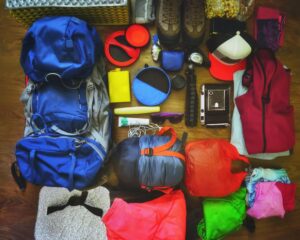
After cleaning, inspect all your camping gear for any signs of damage. Look for tears, holes, or broken zippers in your tent and sleeping bag. Check for cracks in your cooking gear and leaks in your water containers. If you find any damage, repair it before storing your gear. Small problems can worsen over time, so taking care of repairs now will save you hassle later. You can find repair kits for most camping equipment online or at outdoor stores, making it easy to fix issues yourself.
Store Tents Loosely
When it comes to storing tents, avoid packing them tightly in their original bags. Folding them too tightly can cause the fabric to crease and weaken over time. Instead, store your tent loosely in a larger bag or hang it in a cool, dry place. This method allows air to circulate, preventing moisture build-up. Make sure the tent poles and pegs are also clean and stored separately to avoid causing any damage to the tent fabric during storage.
Protect Sleeping Bags
Sleeping bags need special care when stored for long periods. Rolling them up tightly and stuffing them into small bags can compress the insulation, reducing its effectiveness. Instead, store your sleeping bag in a large cotton or mesh sack that allows it to breathe. If possible, hang it in a closet to maintain its loft. Ensure the sleeping bag is completely dry before storage to prevent the growth of mould and mildew, which can cause unpleasant odours and damage.
Pack Cooking Gear Carefully
Your cooking gear, such as pots, pans, and stoves, should be cleaned thoroughly before storage. Remove any food residue to avoid attracting pests. Once cleaned, pack the items carefully to prevent scratches and dents. Place smaller items inside larger pots to save space, and wrap delicate items in soft cloths or bubble wrap for protection. Store your cooking gear in a dry, cool place, away from any chemicals or cleaning products that could cause corrosion or damage.
Keep Backpacks and Bags in Shape
Your backpacks and gear bags should be emptied and cleaned before storage. Shake out any dirt or debris, and wipe down the interior and exterior with a damp cloth. Allow the bags to dry completely before storing them. To maintain their shape, stuff them with soft items like sleeping pads or clothes. This prevents the bags from becoming misshapen during storage. Store them in a dry, well-ventilated area to avoid any moisture build-up, which could lead to mould.
Organise Small Items
Small items like headlamps, multi-tools, and first aid kits should be organised and stored in a way that makes them easy to find when you need them. Use clear plastic bins with lids to keep everything in one place. Label the bins so you know exactly what’s inside. This method not only keeps your small items organised but also protects them from dust and moisture. Storing these items together ensures you won’t lose track of anything important when you’re packing for your next camping trip.
Protect Electronics
If you use electronics during camping, such as GPS devices or portable chargers, they need to be stored properly to avoid damage. Remove the batteries to prevent corrosion and store the devices in a cool, dry place. You can use small padded cases to protect them from bumps and scratches. Keep them away from any magnetic materials that could interfere with their functioning. Proper storage will ensure your electronics are in good working condition when you need them next.
Maintain Your Camping Stove
Camping stoves require special attention before storing them away. Make sure the stove is completely cool, then clean it thoroughly. Remove any food residue or grease to prevent attracting pests. Check the fuel canisters and store them separately, ensuring they are tightly sealed. Store the stove in a dry, well-ventilated area away from flammable materials. Proper storage of your camping stove will keep it in top shape and ready to cook your next meal in the great outdoors.
Care for Your Camping Lanterns
Camping lanterns are essential for any camping trip, and they need proper care when stored for winter. Remove the batteries to prevent corrosion and clean the lanterns with a damp cloth. Store them in a dry, cool place where they won’t be knocked over or damaged. You can keep them in a dedicated camping gear box to ensure they’re easy to find when you need them. Proper care and storage will keep your lanterns shining brightly for many camping trips to come.
Store Water Containers Properly
Water containers should be emptied and cleaned before storing them for the winter. Use a mixture of water and baking soda to clean the inside of the containers, then rinse thoroughly. Allow them to dry completely to prevent mould growth. Store the containers with the lids off to allow air circulation. Keeping your water containers in a cool, dry place will ensure they’re ready to use when you start camping again.
Organise Your Gear
Organising your camping gear before storage makes it easier to find everything when you need it. Group similar items together and store them in labelled bins or bags. For example, keep all your cooking gear in one bin, your sleeping gear in another, and your small accessories in a separate bag. This method not only keeps everything organised but also protects your gear from dust and moisture. Labelled bins make it easy to grab what you need for your next camping trip.
Store Gear in a Cool, Dry Place
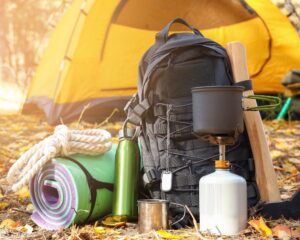
The location where you store your camping gear is crucial. Choose a cool, dry place such as a basement, garage, or storage unit. Avoid storing your gear in damp or humid areas, as moisture can cause mould and mildew. If possible, elevate your gear off the ground to prevent any potential water damage. A well-ventilated area will also help to prevent musty odours from developing over time. Proper storage conditions will keep your gear in excellent condition.
Use Silica Gel Packs
Silica gel packs are great for keeping moisture at bay when storing your camping gear. Place a few silica gel packs in your storage bins or bags to absorb any excess moisture. This is especially important for items like electronics, tents, and sleeping bags. Silica gel packs are inexpensive and can be found at most hardware stores. By using these packs, you can prevent mould, mildew, and corrosion from damaging your gear during the winter months.
Avoid Direct Sunlight
When storing your camping gear, avoid placing it in direct sunlight. Prolonged exposure to sunlight can cause fabrics to fade and weaken, reducing the lifespan of your gear. This is particularly important for tents, sleeping bags, and backpacks. Store your gear in a shaded area or inside a closed storage bin to protect it from harmful UV rays. Keeping your gear out of direct sunlight will ensure it stays in top condition for your next camping adventure.
Use Vacuum-Sealed Bags for Clothing
Camping clothing, such as jackets and thermal wear, can take up a lot of space when stored. To save space and protect your clothing, use vacuum-sealed bags. These bags remove the air, compressing your clothing into a smaller size. This method also protects your clothing from moisture, dust, and pests. Store the vacuum-sealed bags in a cool, dry place, and your camping clothes will be ready to wear when camping season returns.
Check on Your Gear Periodically
Even when your gear is in storage, it’s a good idea to check on it periodically. Every few months, inspect your equipment for any signs of damage or moisture. This will allow you to address any issues before they become major problems. If you notice any dampness, take the gear out to dry completely before returning it to storage. Regular checks will ensure your camping gear stays in good condition throughout the winter.
Label Your Storage Bins
Labelling your storage bins is an easy way to keep track of your camping gear. Use clear, descriptive labels that indicate what’s inside each bin. For example, label one bin “Tents and Sleeping Bags” and another “Cooking Gear.” This makes it easy to find what you need when you’re packing for your next trip. Proper labelling also helps to prevent any mix-ups or lost items, ensuring your gear is well-organised and ready to go.
Avoid Storing Food
One common mistake when storing camping gear is leaving food in your storage bins or bags. Even non-perishable items can attract pests, which can damage your gear. Before storing, make sure all food items are removed. Clean your cooking gear thoroughly to remove any food residue. This will help to prevent any unwanted critters from getting into your storage area and keep your camping gear safe and clean for future use.
Keep Fuel Canisters Separate
Fuel canisters should be stored separately from your other camping gear. Store them in a well-ventilated area away from any heat sources or flammable materials. Make sure the canisters are tightly sealed to prevent any leaks. Storing fuel canisters properly reduces the risk of accidents and keeps your camping gear safe. It also ensures that your fuel is ready to use when you need it for your next camping trip.
Store Hiking Boots Properly
Hiking boots need proper care when stored for the winter. Clean off any mud or dirt, and allow the boots to dry completely. Stuff them with newspaper to help them keep their shape and absorb any remaining moisture. Store your boots in a cool, dry place, away from direct sunlight. Proper storage of your hiking boots will keep them in good condition and ready for your next adventure.

Avoid Piling Heavy Items on Top
When storing your camping gear, avoid piling heavy items on top of each other. This can cause your gear to become misshapen or damaged. Instead, store heavier items on the bottom and lighter items on top. If possible, use shelving to organise your gear and prevent any unnecessary pressure on your equipment. Proper storage will help to maintain the shape and functionality of your camping gear, ensuring it lasts for many years to come.
Maintain a Checklist
Before storing your camping gear for winter, create a checklist of all the items you need to store. This will help you keep track of everything and ensure nothing gets left out. Include items such as tents, sleeping bags, cooking gear, and clothing. As you store each item, check it off your list. This simple step will help you stay organised and make it easier to prepare for your next camping trip when the weather warms up again.
Conclusion: Discover how to store your camping gear for winter
Storing your camping gear for winter doesn’t have to be complicated. With the right steps, you can keep your equipment in top condition, ready for your next adventure. Cheshire Clearance & Removals Ltd hopes this guide helps you store your camping gear safely and effectively. Proper storage will ensure that your gear stays in great shape, so you’re ready to hit the trails as soon as the weather allows. Happy camping!

