
Moving Exercise Equipment: A Complete Guide to Safe Gym Equipment Removal
Moving exercise equipment requires careful planning, suitable tools and controlled handling. Treadmills, rowing machines, exercise bikes, cross trainers, weight benches and multi-gyms often combine heavy frames with delicate screens, motors, cables and moving components. One careless lift can injure someone or damage the machine, flooring, walls and doorways.
Successful moving exercise equipment begins before anyone touches the machine. You need to identify its weight, measure the access route, follow the manufacturer’s instructions and decide whether dismantling will make transportation safer. You must also choose a suitable vehicle and secure every item correctly.
Cheshire Clearance & Removals Ltd helps homeowners, landlords, fitness studios and businesses manage bulky removal projects. This guide explains how to prepare, dismantle, carry, transport and reinstall different types of gym equipment safely.
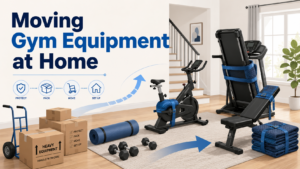
Why Moving Exercise Equipment Requires Careful Planning
Heavy Weight Creates Only Part of the Risk
Weight matters, but shape, balance, grip and visibility also affect handling. A treadmill may carry most of its weight near the motor, while a cross trainer has long arms that restrict movement. Assess the complete machine instead of assuming that several strong people can control it safely.
Delicate Components Need Extra Protection
Modern fitness machines often include touchscreens, sensors, control panels, cables and electronic resistance systems. Impact, moisture or incorrect tilting can damage these components. Protect vulnerable areas, but never attach lifting straps to screens, plastic covers, moving arms or other parts that cannot support the machine’s weight.
Property Access Can Change the Moving Method
A machine may fit comfortably inside a room but fail to pass through the doorway, staircase or final entrance. Measure every restricted point and include protective wrapping in your calculations. Check corners, bannisters, ceiling height, thresholds, lifts, gates and parking access before deciding how to move the equipment.
Equipment That May Need Specialist Handling
Treadmills
Treadmills contain long decks, motors and electronic components, which often create uneven weight distribution. Some models fold and include transport wheels, but those features may only support movement across short, level surfaces. Disconnect the power, remove approved parts and follow the manufacturer’s transportation instructions before lifting or tilting the machine.
Exercise Bikes and Cross Trainers
Exercise bikes usually occupy less space than treadmills, but pedals, handlebars and screens can catch on walls or door frames. Cross trainers present greater difficulty because of their wide bases and moving arms. Secure adjustable parts, protect the console and remove manufacturer-approved accessories before carrying either machine.
Rowing Machines
A rowing machine’s length can make turning through corridors difficult. Many models allow users to separate the rail from the resistance unit, but designs vary. Secure the seat so it cannot slide, protect the monitor and store removable pins or bolts in a clearly labelled bag during transportation.
Weight Benches and Free Weights
Remove barbells, plates and dumbbells before moving a bench or rack. Never transport a loaded weight rack because plates can shift or fall. Divide free weights into manageable containers without exceeding each container’s capacity. Use reinforced boxes or suitable crates rather than ordinary cartons that could split underneath the load.
Multi-Gyms and Cable Machines
Multi-gyms can include weight stacks, pulleys, cables, seats and connected frames. Their size often makes partial dismantling essential. Photograph cable routes and connections before disassembly, label components and follow the manual carefully. Complex commercial systems may need a qualified technician or specialist installer to dismantle and recommission them correctly.
Preparing Exercise Equipment Before the Move
Check the Manual and Product Details
Find the owner’s manual or manufacturer’s online instructions. Confirm the model, assembled dimensions, weight, approved lifting points and dismantling procedure. Instructions may also explain how to lock moving components or install transit bolts. Avoid guessing because similar-looking machines can require different preparation and transportation methods.
Disconnect Power Safely
Switch powered equipment off, unplug it and allow it to complete any required shutdown process. Coil the cable without bending it sharply, then secure it to prevent snagging. Do not pull a machine by its cable. Ask a competent technician to disconnect any hard-wired or technically complex installation.
Clean and Inspect Every Machine
Remove dust, perspiration and loose debris before wrapping the equipment. Inspect frames, wheels, cables, pedals, handles and adjustment mechanisms for existing damage. Photograph valuable machines from several angles. This record helps you track their condition and identify components that need repair before reassembly or future use.
Remove Approved Detachable Parts
Remove bottle holders, screens, pedals, safety keys, weight plates and other approved detachable components where practical. Smaller dimensions can improve control and reduce damage. Place bolts, washers and tools in labelled bags, then attach each bag securely to the relevant machine or store everything inside one organised parts box.
Step-by-Step Guide to Moving Exercise Equipment
Step 1: Measure the Equipment and Route
Measure the machine’s height, width and length in its prepared condition. Walk from its current position to the vehicle and repeat the process at the destination. Check doors, staircases, landings, lifts and turning spaces. Never start carrying until you know that the planned route offers sufficient clearance.
Step 2: Clear and Protect the Route
Remove rugs, cables, furniture, boxes and other obstacles. Clean wet or slippery areas and provide enough lighting. Use suitable floor protection on timber, laminate, tile or carpet, but secure it so it cannot slide or bunch beneath wheels. Protect vulnerable corners and door frames where appropriate.
Step 3: Choose Suitable Handling Equipment
Depending on the machine and route, you may need a furniture dolly, sack truck, lifting straps, pallet truck, ramp or specialist lifting equipment. Confirm the capacity and inspect every component before use. HSE guidance recommends mechanical assistance, such as trolleys or hoists, wherever possible to reduce hazardous manual effort.
Step 4: Assign Clear Roles
Choose one person to coordinate the movement and give each team member a defined position. Agree simple commands for moving, turning and stopping. Keep children, pets and uninvolved people away from the route. Anyone should call an immediate stop when the load becomes unstable or visibility changes.
Step 5: Lift and Move Under Control
Maintain a stable position, avoid sudden movements and keep manageable loads close to the body. Do not twist while carrying or attempt to catch a falling machine. HSE guidance explains that good technique can reduce risk, but it cannot replace route planning, mechanical assistance or an appropriate assessment.
Step 6: Manage Stairs and Slopes Carefully
Stairs reduce space and make the load harder to control. Avoid them when a suitable lift or alternative access route exists. Never use an ordinary trolley on stairs unless its manufacturer designed it for that purpose. Heavy commercial equipment may require specialist stair-climbing or lifting machinery.
Step 7: Load the Vehicle Safely
Use a clear loading area and prevent unnecessary pedestrian access. Confirm that the ramp, tail lift and vehicle can support the load. HSE guidance highlights the serious risks associated with loading heavy machinery and recommends separating loading activity from pedestrians and unrelated vehicle movements wherever reasonably practicable.
Step 8: Position and Secure Every Item
Arrange the equipment to support safe vehicle balance and prevent contact between delicate components and harder objects. Use appropriate rated restraints so machines cannot roll, slide or tip. Anything transported inside or on a vehicle must remain secure throughout the journey.
Tips for Moving Exercise Equipment Safely
Protect Screens, Handles and Moving Parts
Cover delicate screens with soft padding before adding moving blankets. Secure pedals, handles, seats and folding decks according to the manufacturer’s guidance. Do not wrap controls so tightly that pressure damages them. Avoid placing tape directly onto displays, painted frames, labels or textured grips because adhesive can leave marks.
Never Drag Equipment Across Flooring
Transport wheels do not make every surface or distance safe. Small wheels can mark timber, crack tiles or catch on thresholds. Use suitable floor protection and a properly rated dolly when necessary. Stop immediately if the machine becomes unstable instead of trying to regain control through speed or force.
Keep Components Organised
Use separate labelled bags for fasteners from each machine. Take photographs before removing cables, brackets or consoles, and record where spacers and washers belong. Mark larger parts with removable labels. An organised system saves time during reassembly and reduces the risk of using a bolt in the wrong location.
Avoid Rushing the Move
Allow enough time for measurement, dismantling, wrapping, loading and reassembly. Rushing encourages people to skip instructions, overload containers or improvise with unsuitable equipment. If unexpected access problems appear, place the machine securely and revise the plan instead of forcing it through a difficult doorway or staircase.
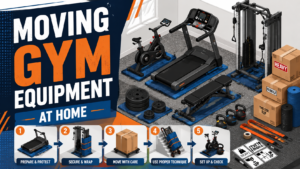
Moving Exercise Equipment Between Properties
Share Accurate Information Before Moving Day
Give the removal company an inventory containing machine types, model numbers, approximate weights and dimensions. Include photographs of the equipment and access points. Mention stairs, narrow gates, limited parking and long carrying distances. Accurate information helps the team plan labour, handling equipment, vehicle space and estimated working time.
Prepare the Delivery Location
Measure the destination before transporting anything. Confirm that the floor can support heavy machines and that users will have enough operating clearance. Check electrical requirements and ventilation. Finish decorating or flooring work before installation where possible, as moving heavy equipment twice creates extra cost, handling and disruption.
Plan Reassembly and Testing
Follow manufacturer instructions when rebuilding each machine. Tighten fasteners to the specified requirements, route cables correctly and check that guards remain secure. Place the equipment on a level, stable surface. Test basic operation before normal use and arrange professional inspection when dismantling affects safety-critical or technical components.
Planning a Commercial Gym Move
Create a Detailed Equipment Inventory
List every cardio machine, resistance station, bench, rack, free weight and accessory. Record model numbers, condition and destination zones. Identify leased equipment or machines covered by service agreements because moving them without authorisation could affect contractual arrangements, maintenance support, warranties or insurance coverage.
Move the Gym in Phases
A phased schedule can reduce downtime. Move unused equipment, storage items and accessories first, then transfer essential machines according to the reopening plan. Coordinate contractors, building management and installers carefully. Allow enough time for testing rather than promising customers that every facility will operate immediately after delivery.
Use Specialists Where Necessary
Commercial machines may exceed the capabilities of a general household removal service. Some need manufacturer-approved dismantling, lifting or calibration. Ask who will disconnect, transport, reinstall and test each machine. Confirm responsibilities in writing and use qualified specialists whenever technical requirements extend beyond normal removal work.
When Should You Hire Professional Movers?
The Machine Is Heavy or Valuable
Request professional assistance when you cannot confirm the weight, lifting points or safe handling method. Expensive treadmills, connected fitness systems and commercial resistance machines can suffer costly damage. A professional assessment helps determine the staffing, protection and equipment required before anyone attempts to move the item.
The Property Has Difficult Access
Narrow stairs, tight corners, steep drives and limited vehicle access can change an otherwise manageable move. Professionals can assess whether dismantling, alternative entry points or specialist equipment will help. Never assume that a machine can travel safely through a route simply because its measurements appear to fit.
You Need to Move Several Machines
A complete home gym or commercial fitness facility requires inventory control, organised dismantling, sufficient vehicle capacity and careful sequencing. Professional support can reduce repeated lifting and prevent components from becoming mixed. It can also help you coordinate collection, temporary storage, delivery, positioning and clearance within one practical plan.
Why Choose Cheshire Clearance & Removals Ltd?
Practical Planning for Bulky Items
Cheshire Clearance & Removals Ltd can discuss equipment dimensions, approximate weight, access conditions and delivery requirements before moving day. This preparation helps the team evaluate the job properly and identify whether particularly complex machines require additional technical or specialist support.
Careful Handling and Property Protection
The team considers both the equipment and the surrounding property during the move. Suitable planning can reduce avoidable contact with floors, walls and door frames. Customers should provide accurate photographs, measurements and information about delicate components so the company can prepare for the agreed work.
Removal and Clearance Support
Customers may need exercise equipment moved as part of a house removal, office relocation, gym clearance or wider property project. Combining appropriate services can simplify scheduling and reduce disruption. Ask for a written quotation that clearly explains labour, transportation, access assumptions, exclusions and any additional services.
Frequently Asked Questions
What Is the Safest Way to Move Exercise Equipment?
Check the manufacturer’s instructions, confirm the weight and dimensions, remove approved detachable parts and measure the complete route. Use rated handling equipment and enough competent people to maintain control. Protect delicate components and secure the machine during transportation. Arrange professional help when weight, value or restricted access increases the risk.
Can You Move a Treadmill Without Dismantling It?
Some folding treadmills can move without substantial dismantling when the model, route and manufacturer’s instructions allow it. Large treadmills may require console, rail or deck preparation. Never assume transport wheels suit stairs or long distances. Check the manual and seek professional assistance when the motor weight or access creates difficulty.
How Do You Move Heavy Gym Equipment Upstairs?
Measure the staircase, landings and turning spaces before starting. Remove approved components and use equipment specifically designed for stair movement. Keep people away from the downhill danger zone. Because stairs greatly increase instability and crushing risk, heavy or commercial machines often require professional movers or specialist lifting equipment.
Should Exercise Equipment Be Wrapped Before Moving?
Yes. Use moving blankets and suitable padding to protect frames, screens, handles and painted surfaces. Secure the wrapping without placing harmful pressure on controls or moving parts. Keep electrical equipment dry and avoid unsuitable adhesive on finishes. Remember that wrapping increases dimensions, so include it when measuring narrow access points.
Can a Removal Company Move Commercial Gym Equipment?
Some companies can move commercial gym equipment, but capabilities differ. Provide machine types, quantities, weights, model details and access photographs before requesting a quotation. Ask whether the service includes dismantling, transport, reassembly and positioning. Complex equipment may require manufacturer-approved technicians, specialist lifting contractors or separate commissioning after installation.
Final Advice
Safe moving exercise equipment depends on preparation, not strength alone. Confirm specifications, follow manufacturer guidance, measure both properties and use suitable handling equipment. Protect floors and vulnerable components, keep the route clear and secure every machine correctly inside the vehicle.
Stop the task whenever the team loses control or discovers an unexpected access problem. Never force equipment through an opening, overload a trolley or improvise with unrated tools.
Cheshire Clearance & Removals Ltd can help customers plan exercise equipment removals as part of household, business or clearance projects. For exceptionally heavy, technically complex or commercially installed machines, arrange the relevant specialist support. A careful plan protects people, property and equipment throughout the complete move.
Get Your Free Moving Quote
Cheshire Clearance & Removals Ltd – Your Local, Affordable Moving Experts in Chester
 Order Now from our website
 Call us at 01829 752127 / 07825 768171 for advice or to place an order
Get outstanding services from Cheshire Clearance & Removals Ltd

