
Moving house can be an exciting yet stressful experience. At Cheshire Clearance & Removals Ltd, we understand that preparing for removals requires careful planning and organisation. This guide will walk you through each step of the process, ensuring your move goes smoothly. From packing your belongings to ensuring everything is ready for moving day, our friendly advice will make your removal experience less overwhelming. By following these practical tips, you’ll be well-prepared to settle into your new home without a hitch.
Preparing for Removals
Start Early to Stay Organised
Starting your preparations early gives you ample time to organise everything efficiently. Begin by creating a checklist of tasks that need to be completed before the big day. Sort through your belongings and decide what to keep, donate, or discard. This will help reduce the number of items you need to pack, making the process more manageable. Take inventory of your possessions and categorise them by room. Labelling boxes clearly will make unpacking much easier. Setting aside time each day to focus on different tasks will prevent last-minute rushes and ensure you’re well-prepared when removal day arrives.

Declutter Your Home Before Packing
Decluttering is an essential step in preparing for removal. Go through each room in your home and assess what items you truly need or want to keep. Donate or sell items that are in good condition but no longer serve a purpose. Dispose of anything that is broken or unusable. By decluttering before packing, you’ll save time and effort, as you’ll have fewer items to pack and move. This process will also make your new home feel more organised and less cluttered from the start. A clutter-free move is a stress-free move.
Gather Packing Supplies
Before you start packing, gather all the necessary packing supplies. You’ll need sturdy boxes in various sizes, packing tape, bubble wrap, and packing paper. Having everything on hand will make the packing process more efficient. You might also consider using plastic containers for items that require extra protection. Don’t forget to label your boxes with their contents and the room they belong to. This simple step will make unpacking much easier and less confusing. Being well-equipped with the right supplies will save you time and prevent any last-minute dashes to the store.
Pack Room by Room
Packing room by room is a methodical approach that keeps the process organised and manageable. Start with the rooms you use the least, such as guest bedrooms or storage spaces. Gradually move on to more frequently used areas like the kitchen and living room. As you pack, group similar items together and label each box with its contents and the room it belongs to. This method not only keeps your belongings organised but also makes unpacking at your new home much easier. By focusing on one room at a time, you’ll reduce the stress and chaos that often comes with moving.
Use Quality Packing Materials
Using quality packing materials is key to protecting your belongings during the move. Invest in sturdy boxes, heavy-duty tape, and bubble wrap to keep your items safe. Fragile items should be wrapped individually in bubble wrap or packing paper, and placed in boxes with plenty of cushioning. Avoid overpacking boxes, as this can cause them to break or make them too heavy to carry. Using high-quality materials will give you peace of mind, knowing your belongings are well-protected and less likely to get damaged during the move.
Protect Fragile Items
Fragile items require special care during packing. Start by wrapping each item individually in bubble wrap or packing paper. For extra protection, use double-walled boxes designed for fragile items. Place heavier items at the bottom of the box and lighter ones on top. Fill any gaps with packing peanuts or crumpled paper to prevent items from shifting during transit. Clearly label boxes containing fragile items with “FRAGILE” and indicate which side should face up. Taking these precautions ensures your delicate items arrive at your new home intact and undamaged.
Label Boxes Clearly
Clear labelling is essential for an organised move. As you pack, label each box with its contents and the room it’s intended for. This will make it easier for you or the movers to place boxes in the correct rooms, saving you time and effort during unpacking. Use a bold marker and write on multiple sides of the box so labels are visible from different angles. For added organisation, you can use colour-coded labels for each room. Properly labelled boxes help you stay organised and reduce the stress of finding items after the move.
Pack a Moving Day Essentials Box
Packing a moving day essentials box is crucial for a smooth transition into your new home. This box should include items you’ll need immediately upon arrival, such as toiletries, a change of clothes, important documents, phone chargers, and basic kitchen supplies like utensils and snacks. By having these essentials on hand, you won’t have to dig through multiple boxes on your first day in your new home. Clearly label this box and keep it with you during the move, so it’s easily accessible when you need it most.
Plan Your Moving Day Timeline
A well-thought-out moving day timeline keeps the day running smoothly and reduces stress. Start by determining what time the removal company will arrive and how long it will take to load your belongings. Consider the travel time to your new home and any potential delays, such as traffic. Plan for breaks, meals, and any last-minute tasks that need to be completed. By having a clear timeline, you’ll know what to expect throughout the day and can stay on track, ensuring a smoother, more organised move.

Notify Service Providers of Your Move
Before moving day, notify your service providers of your change of address. This includes your utility companies, internet and cable providers, banks, and insurance companies. Make sure to schedule the disconnection of services at your old home and the connection of services at your new home. Updating your address with these providers ensures that you don’t experience any interruptions in service and that your bills and important documents are sent to the correct address. This step is crucial for a seamless transition to your new home.
Arrange for Childcare on Moving Day
If you have young children, arranging for childcare on a moving day can make the process much less stressful. Moving day is busy and often chaotic, and having a safe and secure environment for your children allows you to focus on the task at hand. Consider asking a family member or friend to watch your children, or hire a babysitter for the day. If childcare isn’t an option, create a safe play area away from the moving activity to keep them occupied. This allows you to manage the move more effectively and ensures your children are safe and entertained.
Take Care of Your Pets During the Move
Pets can become stressed during a move, so it’s important to make special arrangements for them. On moving day, keep pets in a quiet, secure area away from the activity. This could be a designated room in your home or a trusted friend’s house. Ensure they have access to their food, water, and favourite toys. If possible, transport your pets to the new home separately, allowing them to adjust in a calm environment. Taking these steps ensures your pets’ well-being and helps them settle into their new surroundings with less stress.
Pack an Overnight Bag
Packing an overnight bag with essentials is a smart move. This bag should include items you’ll need for the first night in your new home, such as toiletries, pyjamas, and a change of clothes. Having these items readily available will save you from rummaging through boxes when you’re tired after a long day of moving. It’s also a good idea to include any medications, phone chargers, and important documents. By packing an overnight bag, you can relax and settle in comfortably on your first night in your new home.
Prepare Your Appliances for Moving
Preparing your appliances for moving ensures they arrive in good working condition. Start by cleaning each appliance thoroughly and disconnecting them from power sources. For refrigerators, defrost them at least 24 hours before moving day to prevent leaks. Secure any loose parts, such as shelves or trays, and wrap cords with tape. Label each appliance and its parts clearly, so they’re easy to identify when setting up in your new home. By preparing your appliances properly, you reduce the risk of damage and ensure they’re ready to use when you settle in.
Use Moving Equipment for Heavy Items
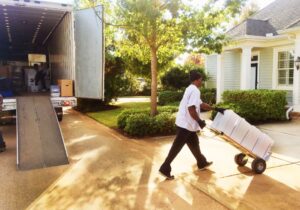
Moving heavy items like furniture and appliances requires the right equipment to prevent injury and damage. Dollies, hand trucks, and furniture sliders make it easier to transport bulky items without straining your back or damaging your belongings. Use straps to secure items on dollies, and always lift with your legs, not your back. If you’re handling the move yourself, consider renting or buying this equipment. Using the right tools ensures a safer, more efficient move and helps protect your belongings during transit.
Keep Important Documents Safe
Keeping your important documents safe during a move is essential. Gather all necessary papers, such as passports, birth certificates, insurance policies, and financial records, and store them in a secure, waterproof container. Keep this container with you during the move, rather than packing it in the moving truck. Consider making digital copies of important documents for extra security. By keeping your documents safe and easily accessible, you avoid the stress of losing vital information during the move.
Confirm Details with Your Moving Company
Confirming all details with your moving company before the big day ensures everything runs smoothly. Double-check the date and time of your move, as well as the estimated arrival time at your new home. Communicate any special requirements, such as handling fragile items or moving large furniture, to the movers. Make sure you understand the payment terms and any additional fees that may apply. By confirming these details in advance, you reduce the risk of misunderstandings or delays, ensuring a stress-free moving day.
Take a Final Walkthrough of Your Home
A final walkthrough of your home ensures nothing is left behind. Check each room, including closets, cabinets, and storage areas, to make sure all belongings have been packed. Don’t forget to check outdoor spaces, such as sheds or garages, for any remaining items. This is also a good time to check for any damage or repairs that need to be addressed before handing over the keys. A thorough walkthrough gives you peace of mind, knowing that everything is ready for the move and nothing has been overlooked.
Prepare Your New Home Before Moving In
Preparing your new home before moving in makes the transition much smoother. If possible, clean the space thoroughly before the removal company arrives. Ensure that utilities, such as water, electricity, and gas, are set up and functioning properly. Plan where furniture and large items will go, so movers know where to place them. If there are any repairs or maintenance tasks needed, try to complete them before moving day. By preparing your new home in advance, you’ll be able to settle in more quickly and comfortably.
Plan Your Route to Your New Home
Planning your route to your new home helps you avoid delays on moving days. Consider the best time to travel, taking into account traffic patterns and road conditions. Use a GPS or map to identify the quickest and safest route. If your new home is in a different city or region, plan for rest stops along the way. Share your planned route with the moving company so they can follow the same path. A well-planned route ensures a smooth journey and timely arrival at your new home.
Stay Hydrated and Take Breaks
Staying hydrated and taking breaks on moving days is important for your health and energy levels. Moving is physically demanding, so it’s essential to drink plenty of water and eat regular meals. Schedule short breaks throughout the day to rest and recharge. Encourage everyone involved in the move, including professional movers, to do the same. By taking care of yourself, you’ll stay energised and focused, making the moving process more efficient and less stressful.
Take Care of Final Bills and Meter Readings:
Taking care of final bills and meter readings is a necessary step when leaving your old home. Contact your utility providers to settle any outstanding bills and take final meter readings for gas, electricity, and water. Note these readings down and keep a record for your own reference. Inform your utility companies of your move-out date so they can close your accounts. By handling these tasks, you ensure a smooth transition and avoid any unexpected charges after you’ve moved out.
Secure Your New Home: Preparing for removals
Securing your new home as soon as you move in is important for your safety and peace of mind. Change the locks on all doors to ensure that you’re the only one with access. Check that all windows and doors close properly and consider installing a security system if one isn’t already in place. Familiarise yourself with the new neighbourhood and locate the nearest emergency services. Taking these steps early on will help you feel safe and secure in your new home.
Moving can be a challenging process, but with the right preparation, it doesn’t have to be stressful. At Cheshire Clearance & Removals Ltd, we’re here to support you every step of the way. By following the tips in this guide, you’ll be well-prepared for your move, ensuring everything goes smoothly. Remember to stay organised, take care of the details, and give yourself plenty of time to prepare. Soon, you’ll be settled into your new home, ready to start the next chapter of your life.

