
How to Transport Gym Equipment: A Safe and Practical Guide
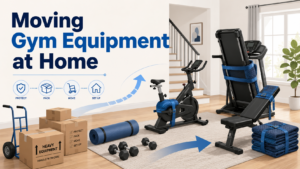
Moving gym equipment requires more planning than moving ordinary household furniture. Treadmills, rowing machines, weight benches, squat racks and exercise bikes often combine heavy frames with delicate parts. Poor handling can damage equipment, floors, walls or doors. Therefore, anyone searching for how to transport gym equipment should plan the entire move before lifting the first item.
A successful move starts with an equipment inventory, suitable protection and a clear route. You also need the right vehicle, lifting equipment and secure restraints. Smaller home-gym items may suit a careful DIY move. However, large or awkward machines often need professional handling.
Cheshire Clearance & Removals Ltd can help customers plan the movement of bulky equipment with a practical approach. Careful preparation makes the process safer, more organised and less stressful.
Why Gym Equipment Needs Careful Transportation
Understand the main moving challenges
Gym equipment creates several challenges because every item has a different weight, shape and construction. A treadmill can feel difficult to control through a doorway. Weight plates can create concentrated loads. Cable machines can contain multiple parts. Electronic displays also need protection from impacts and moisture. Planning each item separately reduces unnecessary handling problems.
Step 1: Create a Complete Equipment Inventory
List every item before moving day
Start by listing every piece of gym equipment that needs transportation. Include treadmills, cross trainers, bikes, rowing machines, benches, racks, cable machines, barbells, dumbbells, kettlebells and weight plates. Record approximate dimensions and weights where possible. This information helps you choose suitable handling equipment and estimate the required vehicle space before moving day.
Check Manufacturer Instructions First
Follow the equipment’s approved dismantling process
Before you dismantle any machine, check its manufacturer’s instructions. Some equipment allows simple removal of handles, screens or frames. Other machines need specialist knowledge. Never disconnect electrical or mechanical components without understanding the correct procedure. Keep manuals available throughout the move. Following approved instructions protects the equipment and makes later reassembly much easier.
Step 2: Measure the Moving Route
Check doors, stairs and tight spaces
Measure doorways, hallways, staircases, lifts and other restricted areas before moving large equipment. Compare those measurements with the equipment’s dimensions after suitable dismantling. Also consider sharp corners, low ceilings and changes in floor levels. A route that looks wide enough may become difficult when two people carry a bulky machine. Planning the route prevents avoidable delays.
Step 3: Dismantle Suitable Equipment
Reduce size and weight where practical
One of the most effective answers to how to transport gym equipment involves reducing the equipment’s size before moving it. Remove detachable parts when the manufacturer permits this process. Separate treadmill handles, removable benches, accessories and weight plates where appropriate. Place bolts and screws in labelled bags. Photograph connections before dismantling so you can reproduce the original setup later.
Step 4: Protect Equipment and Property
Prevent scratches, dents and impact damage
Protect both the gym equipment and the property during the move. Wrap frames with suitable moving blankets or protective padding. Cover screens and other fragile surfaces. Protect floors along the moving route, especially around heavy machines. Avoid dragging metal frames across flooring. Use controlled movements around corners, door frames and staircases. Good protection reduces repair costs and protects valuable equipment.
Step 5: Prepare the Correct Moving Equipment
Choose tools that match the load
The right equipment makes heavy handling more controlled. Depending on the item, you may need moving blankets, furniture straps, protective floor coverings, strong boxes, plastic containers, a suitable dolly and appropriate lifting equipment. Check the weight capacity of every tool before use. Never assume a household trolley can safely carry commercial gym equipment. Match every tool to the actual load.
Step 6: Pack Weights Separately
Divide heavy loads into manageable units
Weight plates, dumbbells and kettlebells require different packing methods from ordinary belongings. Avoid filling a standard cardboard box with too many heavy plates. The box may become impossible to carry or fail under the load. Divide weights into manageable quantities and use suitable containers. Keep heavy loose items away from delicate equipment. Secure each load so nothing moves unnecessarily during transportation.
Step 7: Transport Treadmills Carefully
Protect moving parts and electronic components
Treadmills often present one of the biggest challenges during a move. Check whether the model folds or allows approved dismantling. Protect the control panel and electronic components from impacts. Secure loose cables and removable parts. Use suitable lifting equipment when necessary. During loading, position the treadmill securely and prevent movement. Never lift a heavy treadmill without enough capable assistance.
Step 8: Move Racks, Benches and Machines
Handle bulky frames with controlled movements
Power racks, squat racks, benches and cable machines can have wide or uneven frames. Dismantle suitable sections according to manufacturer instructions. Label each component carefully. Plan how the team will grip and carry the item before lifting. Keep the route clear and communicate during movement. Controlled handling helps prevent sudden shifts that can damage equipment or surrounding property.
Step 9: Load the Removal Vehicle Properly
Secure every item before starting the journey
Knowing how to transport gym equipment also means understanding how to load the vehicle safely. Place heavy items low and distribute the load carefully. Use suitable straps to prevent movement. Keep delicate components away from heavy loose equipment. Check that nothing can roll, slide or fall during transit. Before driving, inspect the entire load and tighten restraints where necessary.
Step 10: Drive Carefully During Transportation
Reduce movement throughout the journey
Heavy equipment can shift when a vehicle brakes suddenly or takes a corner quickly. Drive smoothly and allow additional stopping distance when appropriate. Avoid unnecessary harsh acceleration and sudden manoeuvres. For longer journeys, inspect the load when you can stop safely. Make sure straps remain secure and equipment stays in its planned position. Careful driving protects both the load and vehicle.
Tips for Transporting Gym Equipment
Follow practical steps that simplify the move
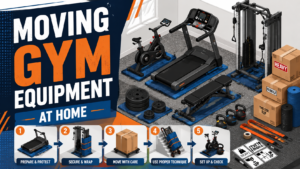
A few simple habits can make how to transport gym equipment much easier. Measure routes before moving day. Photograph equipment before dismantling it. Label every component and keep hardware together. Separate heavy weights from delicate machines. Protect floors and walls. Use suitable lifting equipment. Keep the route clear. Most importantly, never rush a heavy lift simply because you want to finish quickly.
- Measure doorways, stairs and corridors before moving large equipment.
- Photograph connections before dismantling machines.
- Label screws, cables and removable components.
- Use protective blankets around vulnerable surfaces.
- Divide heavy weights into manageable loads.
- Check equipment and tool weight limits.
- Secure equipment firmly inside the vehicle.
- Keep delicate electronic parts away from heavy objects.
- Follow manufacturer instructions throughout dismantling.
- Ask professional movers for help with difficult equipment.
Common Mistakes to Avoid
Prevent problems before they happen
Many gym equipment moving problems come from poor preparation rather than the equipment itself. People sometimes underestimate weight, skip measurements or attempt difficult lifts without enough help. Others leave loose components inside machines or fail to secure heavy objects inside the vehicle. Avoid improvisation. Plan the route, prepare suitable tools and allow enough time for controlled handling.
When Should You Hire Professional Movers?
Know when professional assistance makes sense
DIY transportation can work for smaller equipment when you have suitable help and equipment. However, professional assistance becomes valuable when you need to move heavy treadmills, large racks, commercial machines or multiple pieces of equipment. Stairs, narrow corridors, difficult parking and long-distance journeys can also increase the challenge. Professional movers can reduce unnecessary physical handling and help organise the move.
Moving Gym Equipment From a Commercial Premises
Plan larger moves around access and equipment volume
Commercial gym relocations require additional planning because they often involve many heavy machines. Start with a detailed inventory and identify equipment that needs dismantling. Plan collection and delivery routes before moving day. Consider loading space, parking and access restrictions at both locations. Schedule enough time for careful handling. A planned process helps minimise downtime while protecting valuable fitness equipment.
Why Choose Cheshire Clearance & Removals Ltd?
Practical support for bulky and difficult items
Cheshire Clearance & Removals Ltd understands that bulky items need more than basic loading. Gym equipment requires careful planning because every machine can have different dimensions, weight and access requirements. A clear discussion before the move can identify potential challenges early. This approach helps organise suitable transportation and handling arrangements for home gyms, clearances and larger removal projects.
Support for home and business moves
Customers may need to transport gym equipment during a house move, gym clearance, office relocation or commercial premises change. Each situation creates different access and loading requirements. Discussing the equipment in advance allows the removal plan to focus on practical details. The aim remains simple: move bulky items carefully while protecting the equipment and the surrounding property.
Frequently Asked Questions
How do you transport gym equipment safely?
To transport gym equipment safely, start by checking manufacturer instructions and measuring the complete removal route. Dismantle suitable components and label every part. Protect machines with moving blankets and cover vulnerable flooring. Use appropriate lifting equipment for heavy items. Load the equipment carefully and secure it with suitable restraints. If the equipment feels too heavy or awkward to handle safely, arrange professional assistance rather than risking injury or damage.
Can I transport a treadmill in a normal van?
You may transport some treadmills in a suitable van, but you must check the treadmill’s dimensions, weight and construction first. Measure the vehicle’s internal space and compare it with the treadmill after approved dismantling. Protect the display and moving components during loading. Position the treadmill securely and prevent movement with suitable restraints. For heavier commercial treadmills, choose a vehicle and handling method that can safely support the equipment.
How do you move heavy gym equipment upstairs?
Moving heavy gym equipment upstairs requires careful route planning, suitable equipment and enough capable assistance. Measure the staircase, landings and doorways before starting. Dismantle suitable components if the manufacturer permits it. Keep the route completely clear and plan where each person will grip the item. Never attempt an extremely heavy lift without appropriate support. Professional movers can provide a safer solution when equipment creates a difficult stair or access challenge.
Should gym equipment be dismantled before moving?
You should dismantle gym equipment only when the manufacturer permits the process. Removing suitable components can reduce the equipment’s weight and make it easier to pass through narrow doorways. Keep every screw, bolt and cable organised in labelled bags. Take photographs before removing important connections. Do not dismantle electrical or mechanical systems without suitable instructions. If you cannot confirm the correct process, seek professional assistance before starting.
How much does it cost to transport gym equipment?
Gym equipment transportation costs vary according to the number of items, equipment weight, travel distance and access conditions. Stairs, narrow entrances, difficult parking and specialist handling can increase the work involved. Commercial equipment may also require additional planning because of its size and weight. For a realistic quotation, provide details about the equipment, collection location, delivery location and any access challenges. Accurate information helps create a more suitable moving plan.
Final Thoughts
Plan carefully before lifting anything
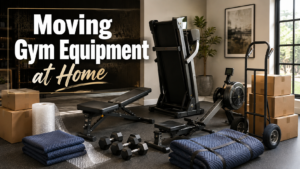
Learning how to transport gym equipment starts with preparation. Create an equipment inventory, check manufacturer instructions, measure the route and dismantle suitable components. Protect delicate surfaces, divide heavy weights into manageable loads and secure every item inside the vehicle.
Do not treat heavy gym equipment like ordinary household furniture. Its weight, shape and mechanical components require controlled handling. A rushed lift can cause injury, property damage or expensive equipment repairs.
For customers planning a home gym move, commercial relocation or clearance in Cheshire, Cheshire Clearance & Removals Ltd can provide practical support based on the equipment and access involved.
The best approach to how to transport gym equipment remains straightforward: plan the route, use suitable equipment, protect the load, secure everything properly and ask for professional help when the job exceeds your safe capabilities.
Get Your Free Moving Quote
Cheshire Clearance & Removals Ltd – Your Local, Affordable Moving Experts in Chester
 Order Now from our website
 Call us at 01829 752127 / 07825 768171 for advice or to place an order
Get outstanding services from Cheshire Clearance & Removals Ltd

